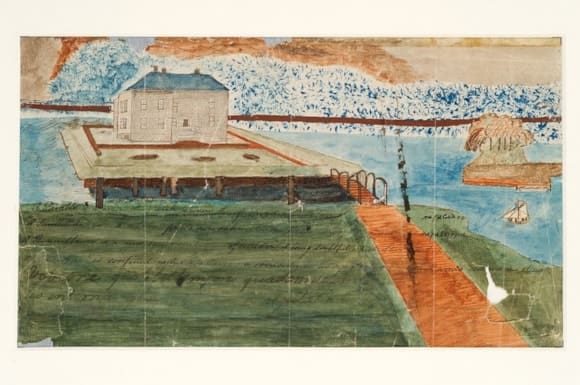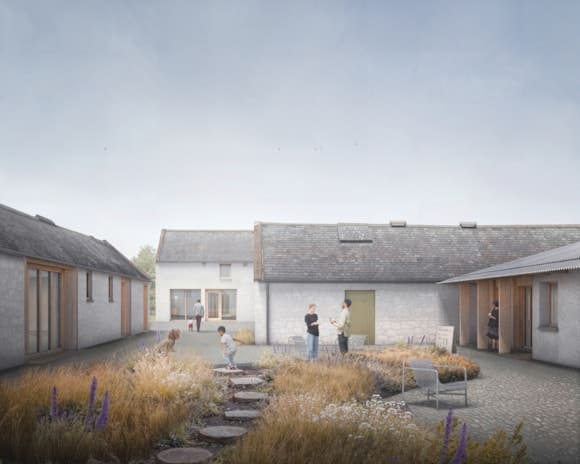
Dumfries and Galloway Council has awarded £270,061 to the Robert Burns Ellisland Trust to deliver the next critical stage in the restoration of Ellisland Farm, the home built by Robert Burns and the birthplace of Auld Lang Syne.
The grant, from the council’s Community Led Economic Regeneration Framework (CLERF), was recently approved by the Economy and Infrastructure Committee after undergoing a rigorous internal assessment by senior officers.
The grant represents a significant proportion of funding for this phase, which has a total value of more than £370,000.
The funding will enable RIBA Stage 4 technical design, a key milestone that will make the project construction-ready and unlock the full capital funding package required for delivery. This is being taken forward by Collective Architecture.
Ellisland is a Category A listed site of national importance, but its buildings are at risk and require urgent conservation.
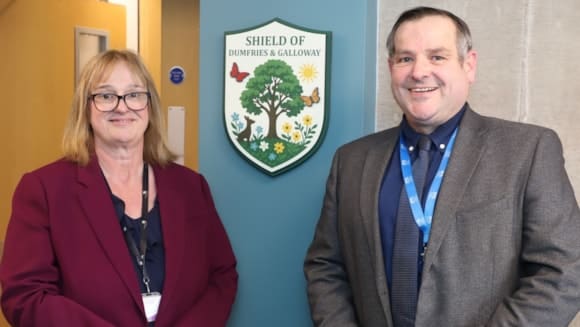
Councillor Andy Ferguson, Chair of the Economy and Infrastructure Committee, said:
“Ellisland is one of Dumfries and Galloway’s most important cultural assets, with a unique place in Scotland’s history as the home built by Robert Burns.
“This investment will help secure the next stage of the project, moving it closer to becoming a must‑visit destination that celebrates our heritage while supporting the local economy.
Councillor Tony Berretti, Vice-Chair of the committee, added:
“We are pleased to support the Trust and partners in bringing forward plans that will protect the site and create new opportunities for visitors and communities alike.”
Joan McAlpine, Project Director of the Robert Burns Ellisland Trust, said:
“We are extremely grateful to Dumfries and Galloway Council for this major investment, which allows us to take Ellisland to the next stage of delivery.
“This funding is a crucial step towards unlocking the full potential of Burns tourism in Dumfries and Galloway. By transforming Ellisland into an international destination, we can significantly strengthen the region’s cultural offer and ensure that the place where Auld Lang Syne was written achieves the global recognition it deserves.”
Project delivery
Kevin Bryson, Partner at Gardiner & Theobald, has been appointed project manager for this stage. He brings extensive experience in heritage projects, including work on Category A listed buildings including the conservation of Charles Rennie Mackintosh’s Hill House in Helensburgh.
The council support comes after a recent grant award of £25,000 from the Pilgrim Trust, a conservation charity, in addition to grants from the UK Shared Prosperity Fund and South of Scotland Enterprise. Earlier stages of the design were funded by the National Lottery Heritage Fund.
Economic impact
Independent analysis by BiGGAR Economics highlights the project’s transformational potential, including:
- £840,900 local economic benefits and 25 jobs annually in Dumfries and Galloway
- £1.1 million economic benefits and 30 jobs across Scotland
- A further 40 jobs supported through visitor spending
The project aligns strongly with Community Wealth Building, net-zero principles and the council’s priorities for economy, health and wellbeing.
Completion of RIBA Stage 4 will enable major funding applications ahead of construction, with the restored site expected to open in 2028.
One partner. No competitors. Full visibility across the region.