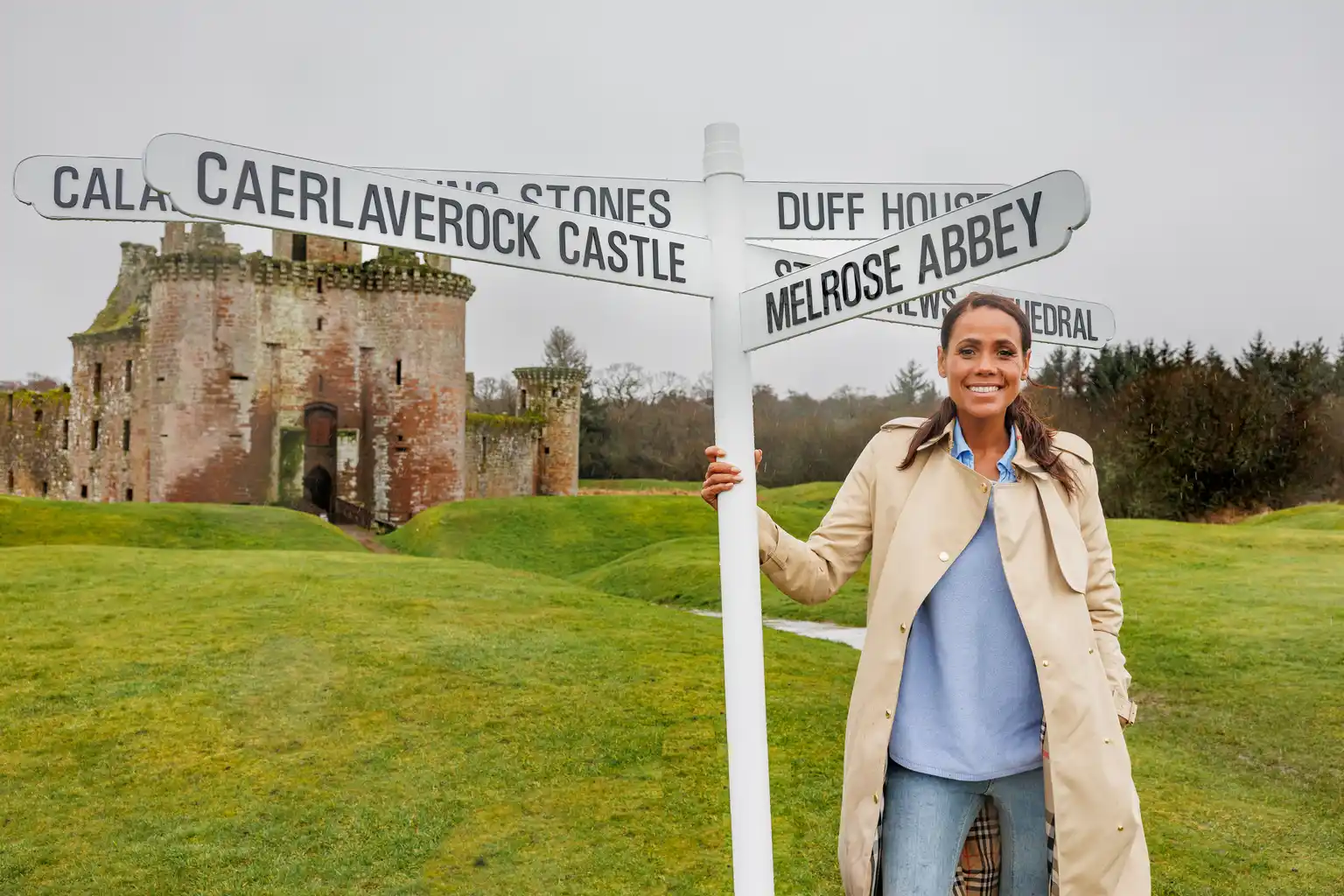

TV presenter Jean Johansson is encouraging visitors to ‘Take The Slow Road’ when they explore Scotland’s iconic historic sites and hidden gems in the Lowlands as she launches a new Historic Environment Scotland (HES) campaign to encourage longer stays and responsible tourism.
HES has created a new, multi-day route map designed to help visitors enrich their travel experience by discovering the beauty of Scotland’s heritage, including taking in both well-known and lesser-known historic sites, travelling by public transport, and spending more time in the communities they visit.
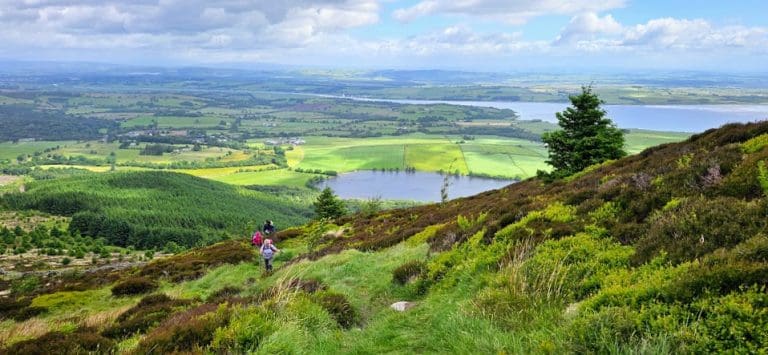
‘Take The Slow Road’ invites people to explore the legacy of the Lowlands by taking their time across the carefully curated route that connects Historic Scotland sites in Dumfries & Galloway and the Scottish Borders by bus, rail and bike.
From ancient abbeys to royal residencies, the route spans four days encompassing the wealth of history on offer at stops at some incredible Historic Scotland sites in Dumfries, Biggar, Peebles, Melrose, Galashiels and Tweedbank.
The ‘Slow Road Route’ begins at the remains of Lincluden Collegiate Church, a site thought to be built by one of the finest master masons in Scotland, John Morrow, and ends at Dryburgh Abbey, where visitors can wander around the remarkably complete medieval ruin dating back to the 1700s to grasp the appeal of monastic life.
In between, ‘Slow Road’ travellers can stop off at the region’s iconic sites such as the medieval stronghold of Caerlaverock Castle and the hidden gems in the surrounding local communities including Cross Kirk in Peebles, an ancient holy site associated with miracles and the grave of a saint.
Responsible tourism is at the heart of this new campaign, highlighting how slower journeys can create a richer, more meaningful experience while supporting local economies and reducing pressure on the historic places that help make Scotland unique.
Angela Giancola, Responsible Tourism Coordinator at Historic Environment Scotland, said: “Scotland’s historic places belong to all of us, and they face real pressures from the impact of a changing climate, increased visitor footfall, and the passage of time. Responsible tourism is about recognising the impact we can have on our shared heritage and choosing to make that impact a positive one.
“By taking the slow road – travelling thoughtfully and spending more time in local communities – visitors can help protect the heritage, and support the people and places, that make Scotland so special.”
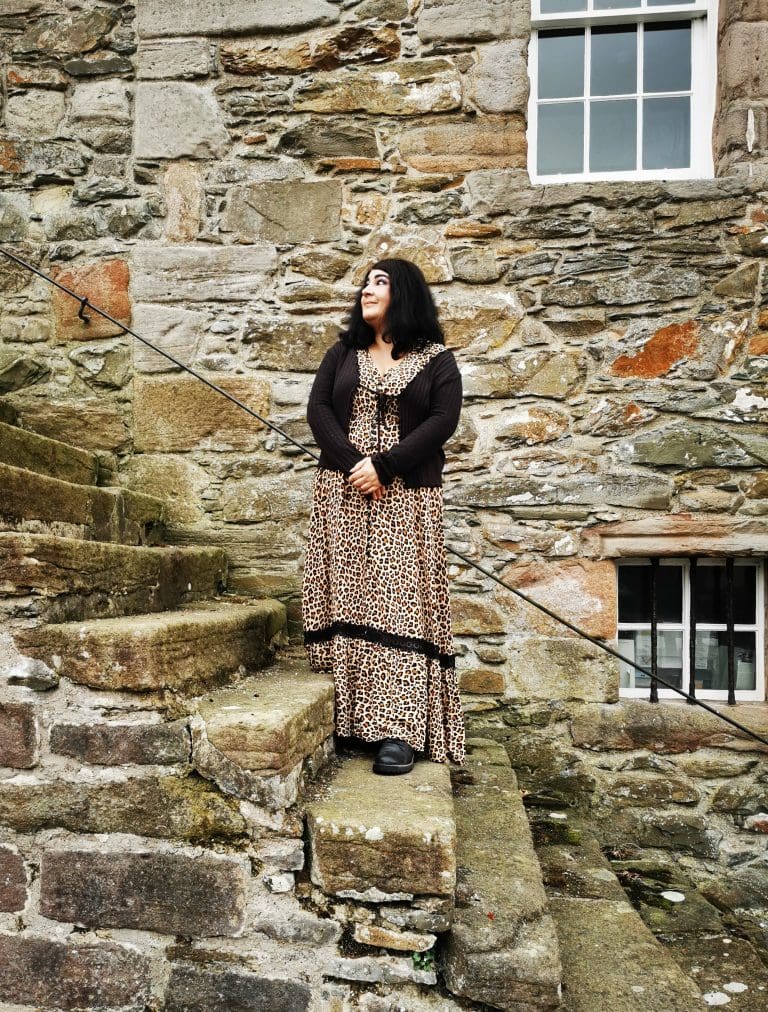
TV Presenter Jean Johansson said: “Some of my favourite trips in Scotland have been the ones where I’ve taken my time, explored somewhere new and properly soaked up the atmosphere. I joined Historic Environment Scotland on its Lowland route, exploring Caerlaverock Castle, guided by locals who helped bring the history to life.
“By taking our time at these incredible sites, we can create trips that are more fulfilling and have a real benefit for local communities. These new routes are perfect for building a trip that feels relaxed, rewarding and shine a light on brilliant places and people you might otherwise bypass. Forget the high road, this is your chance to ‘Take the Slow Road’.”
To help inspire visitors to plan travel to both iconic and lesser-known heritage sites without relying on a car HES has mapped out the Lowlands Slow Road itinerary on Google Maps. Visitors can experience more of Scotland’s rich heritage for less through HES Memberships and Explorer Passes, helping them make the most of their trip when taking the Slow Road.
To find out more about Historic Scotland sites and build a Slow Road itinerary, visit hes.scot/visit.
The Out & About section in Dumfries & Galloway is headlined by Gretna Green
A Place to Escape From it All – Scotland’s most romantic destination since 1754
Discover Gretna Green